

World Cups, Olympic Games and championship finals bring large audiences together, while also making betting more visible in sports reporting and online conversation. An odds display—the listing of prices assigned to possible outcomes—can turn a match preview into a discussion about probability as well as performance. The phrase tikitaka casino may appear in that wider online conversation, but the public-interest question is how event coverage affects people’s understanding of risk. Fans, publishers and regulators all have a role in keeping that discussion accurate and responsible.
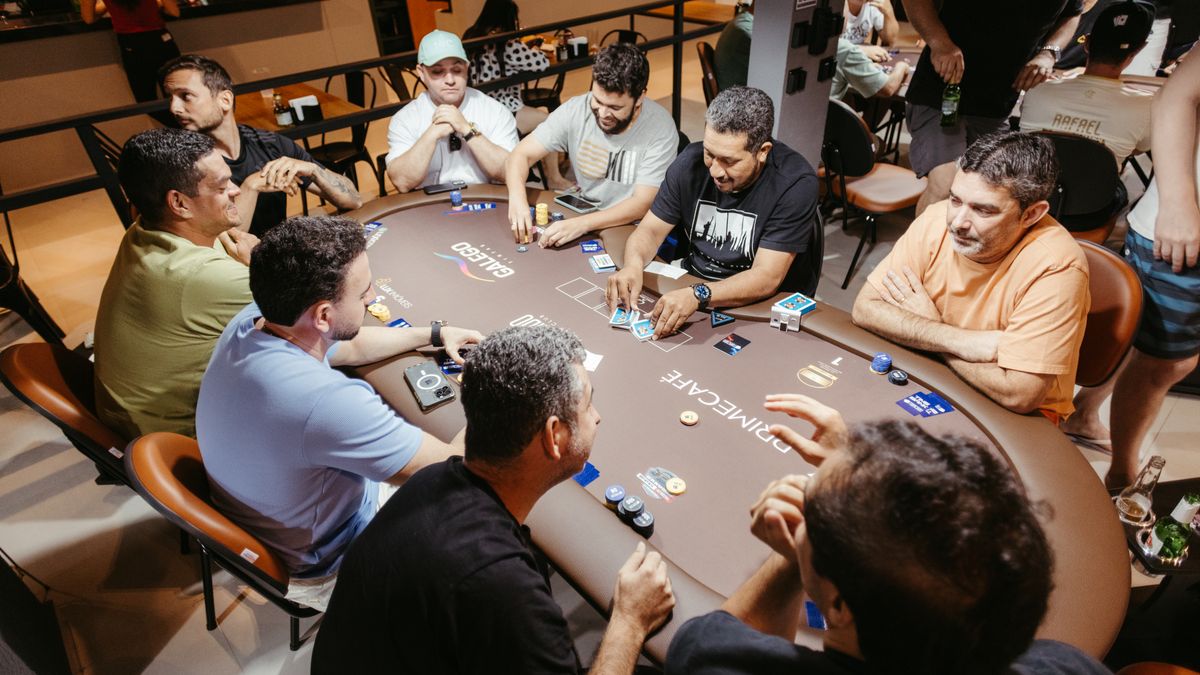
Why event weeks change the news agenda
Major tournaments create a predictable surge in match previews, live updates and post-game analysis. A betting market, meaning a defined event on which wagers can be placed, may cover the winner, the score or a player’s next action. This gives reporters more possible angles, but it can also blur the line between sports journalism and betting promotion. Readers should be able to tell whether a story explains a sporting development, reports a market price or advertises a wagering opportunity.
The schedule itself helps explain the shift. The FIFA World Cup is held every four years, while the Olympic Games also follow a four-year cycle, with Summer and Winter editions staggered. Each creates concentrated attention across many sports and time zones. Live betting, which allows wagers after a match has begun, is particularly relevant when coverage runs continuously. Its presence can make a match feel like a succession of betting moments rather than a contest with a beginning, middle and end.
Newsrooms can reduce confusion by identifying commercial material and explaining what odds do and do not mean. Fractional, decimal and American odds are different formats for expressing prices; none guarantees an outcome. An accumulator, a bet combining several selections into one wager, is a useful example for explaining how multiple uncertainties can compound. When a story mentions tikitaka casino or another gambling-related search term, clear labelling and neutral language help readers distinguish contextual discussion from an endorsement.
How fan communities absorb betting language
Event conversations now move between broadcasts, group chats, forums and social platforms, where fans react to injuries, line-ups and decisions in real time. A bet slip—the screen or record that lists selections before a wager is submitted—can become part of that vocabulary even for people who do not bet. In a group chat, one person’s prediction may be treated as friendly banter; repeated prompts to stake money can make the exchange feel more pressuring. Communities benefit when participation does not depend on wagering. Players who feel that gambling is becoming difficult to control can find independent support and practical information through Novinky.
Social posts can also give a misleading impression of how common or successful betting is. A winning ticket is easy to screenshot, while losses and abandoned bets are less likely to be shared. Cash-out, a function that may let a bettor settle a wager before an event ends for a changing amount, can be discussed as though it removes risk. It does not: the amount offered can be lower than the potential return, and the final result remains uncertain. Journalists and moderators can explain that distinction without treating every fan conversation as advertising.
Searches for phrases such as tikitaka casino may rise when a major event is in the headlines, but search interest alone does not show how many people gamble or whether they experience harm. Public discussion should avoid turning an audience trend into a claim about individual behaviour. Affiliate tracking, a tool that records when a referral leads to a commercial action, is one reason publishers should disclose relevant commercial relationships. Transparency lets readers assess whether a betting reference is independent reporting or part of a paid arrangement.
What responsible-play guidance can make concrete
Responsible-play messages are more useful when they describe actions people can take, rather than relying only on general warnings. A deposit limit sets a ceiling on how much money can be added to an account over a chosen period. A time-out temporarily blocks access, while self-exclusion is a longer-term restriction intended to prevent use. These controls do not make gambling risk-free, and availability varies by jurisdiction and service, but clear explanations help consumers understand the difference between them. A practical comparison of account tools and player-facing rules can also be made through tikitakakasino.com, where the relevant feature can be considered in the context of normal casino use.
Event-specific coverage should also explain how to recognise pressure and set boundaries before a match starts. Reality checks are reminders that report how long a person has been using a gambling service; they can support awareness, but they cannot diagnose harm or guarantee a change in behaviour. Readers can consider these practical steps:
- Set a spending limit before a match, using a deposit-limit control where available.
- Do not treat a cash-out offer or a live-odds change as evidence that a result is certain.
- Take a break from betting prompts, including push notifications, if they make it harder to stop watching or spending.
- Seek local support if gambling is causing financial, relationship or mental-health problems; self-exclusion may be one part of a broader response.
These measures are relevant during a final as well as during ordinary weeks. A push notification is an alert sent to a device, and repeated event-related alerts can keep betting in view even when a person has stopped following the match. Coverage that discusses tikitaka casino as a search term or example should not imply that any single tool can prevent harm. Practical guidance is strongest when it pairs limits and breaks with information about independent help.
Comparing event coverage without overstating the evidence
Different competitions create different reporting conditions. A single final may concentrate attention into one evening, while a multi-week tournament produces repeated opportunities for betting references. The table shows how format can affect the kind of public discussion that develops; it does not estimate wagering levels or prove that an event causes gambling harm. A live-odds feed, which updates prices as circumstances change, is one feature that can make the coverage feel especially immediate.
| Event format | Typical coverage pattern | Public-interest question |
|---|---|---|
| Single championship final | Intense previews and a short live-news window | Are betting references clearly separated from match reporting? |
| Multi-week tournament | Repeated fixtures, standings and daily updates | Do stories explain cumulative exposure to betting prompts? |
| Olympic programme | Many sports, events and audience time zones | Are unfamiliar sports and markets explained without overstating certainty? |
Editors can apply a consistent checklist to any format. An odds comparison, which displays prices offered by different operators, should not be presented as a forecast of what will happen. A probability estimate may be derived from odds, but bookmaker margins and changing conditions mean that it is not a neutral guarantee. Stories about tikitaka casino or other search terms should keep the focus on the surrounding media environment, not on directing readers toward a betting service.
Responsibilities for publishers, platforms and readers
Publishers should distinguish reporting, sponsorship and affiliate material in ways that are visible before readers engage with it. A responsible-gambling notice can provide context, but a small disclaimer does not substitute for clear advertising labels or careful editorial choices. An age-gate, a screen intended to restrict access by age, is also not proof that every underage person is prevented from seeing gambling-related material. These safeguards work best alongside consistent enforcement and accessible complaint routes.
Platforms and regulators can support informed decisions by making rules understandable and applying them consistently. Know-your-customer checks, which verify a customer’s identity, may help services meet legal obligations, but they are not a substitute for responsible advertising or consumer support. Readers, meanwhile, can check whether a story names its source, distinguishes odds from probability and discloses commercial links. The presence of the phrase tikitaka casino in a search result or article is not, by itself, evidence of independent endorsement or a reliable guide to risk.
Major sports events will continue to attract betting coverage because they bring attention, competition and uncertainty together. The public value of that coverage depends on whether it informs rather than nudges, and whether fans can discuss sport without being pushed toward a wager. Features such as deposit limits, self-exclusion and odds displays are part of the landscape, but sound reporting must explain their limits as well as their purpose. Keeping the sport, the commercial message and the consumer safeguards distinct gives audiences a clearer basis for judgment.